A post by Ana Méndez-Campillo, Stefanie Krebs, Céline Dietrich, Jael Moser & Flavia Wichmann
Only a small percentage of people suffering from severe mental illnesses access the primary labour market – despite their strong desire to participate in the workforce. The Galician association Entrelampo addresses this social challenge through organic farming. This led us to explore two key questions: How can agroecology create economically viable employment opportunities for people with severe mental illnesses? And how can these opportunities contribute to their long-term social inclusion, improved mental health, and wider socio-economic benefits?
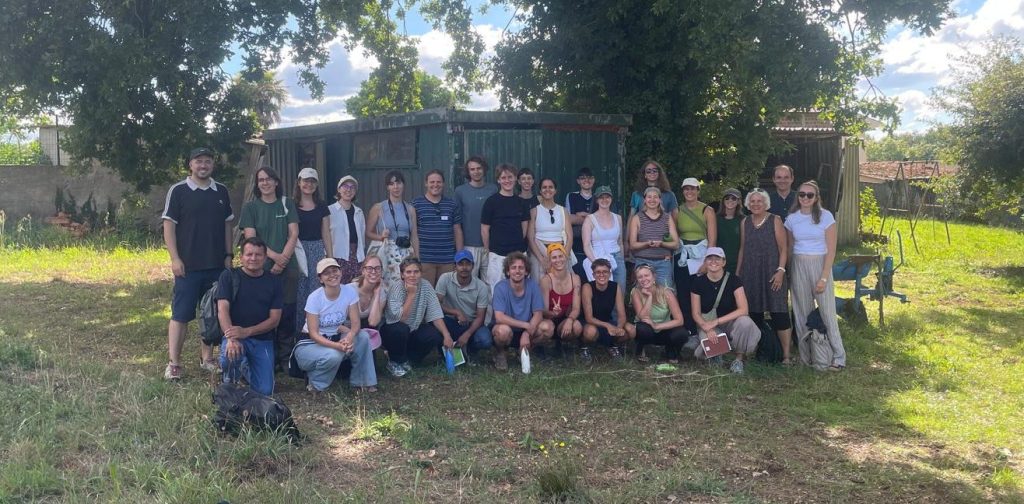
Employment access for people with severe mental illness
People who face severe mental health conditions encounter significant barriers when trying to enter the regular job market. As reported by the Spanish National Statistics Institute (2026), only 22,3% of people with mental-type disabilities (non-intellectual) were employed in 2024. According to Entrelampo, approximately 90% of affected individuals express an explicit desire to work – but still most of those persons who get a job lose it again within six months.
These alarming numbers highlight that the system needs to be rethought, providing long-term job opportunities. Employment normalises a person’s life and grants them autonomy, as it provides them with the financial means to make ends meet and become independent. Thus, entry into the labour market has been one of the main ways in which people with disabilities have been able to begin to break free from social exclusion (Salinas & Marhuenda, 2020).
Entrelampo’s Purpose: Beyond Work
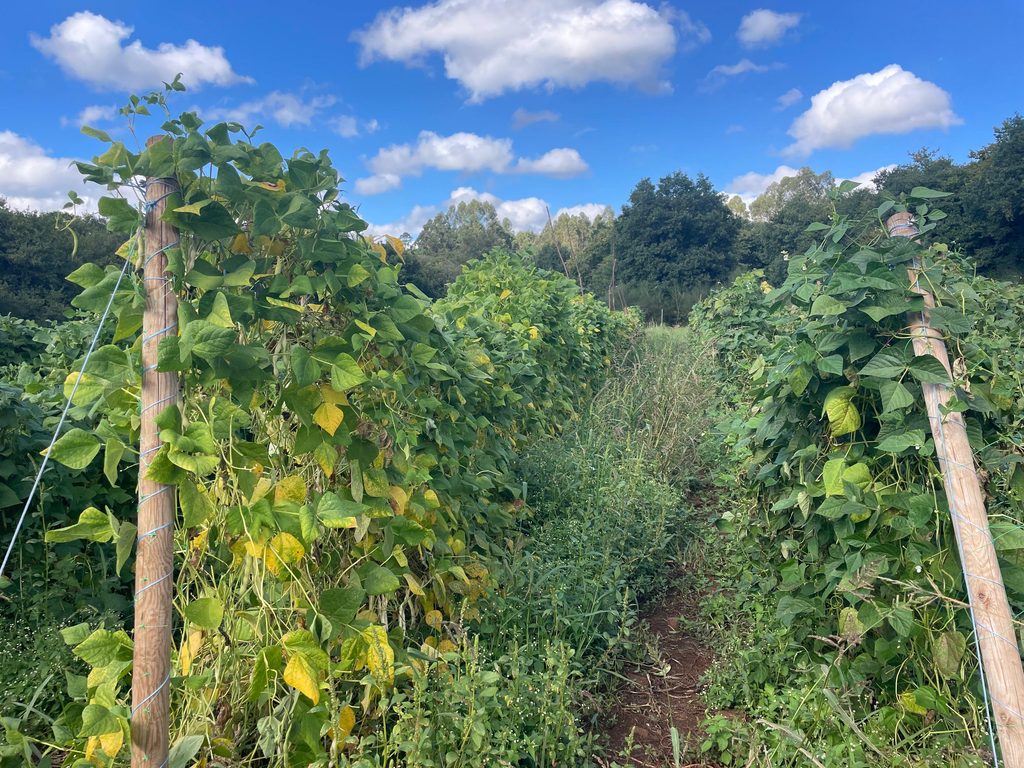
What now? To counteract the stigma that mental illnesses bring with them, the psychiatrist Juan Soriano founded Entrelampo in 2020 with the goal to create direct employment opportunities for people suffering from mental illnesses. This non profit-association operates as a small-scale business. The initiative focuses on the agro-food sector and follows agroecological principles by avoiding synthetic fertilisers, using intercropping strategies and crop rotation. They have two distribution channels: regular vegetable basket subscriptions and the daily market in Santiago de Compostela.
To quote from the interview with Entrelampo, the goal of the founder Juan Soriano was:
“…he wanted to create a business so that they [people suffering from mental illnesses] could be hired, become full-fledged employees, and in that way also grow as people and be given opportunities to thrive in society.”
Work at Entrelampo provides employees with far more than just a reliable source of income: An adapted schedule according to their needs, stress management, and a supportive social environment which prevents isolation. This contributes to the workers’ satisfaction and can support their overall personal recovery.
Entrelampo’s main challenges
However, Entrelampo also faces some challenges regarding long-term viability. Even though the association is highly self-sufficient (60% income coming from their sales), they still rely on external funds. High dependency on key individuals in management may also become a threat in the future. Moreover, vegetable subscription revenues drop during summer months, as many clients pause their subscriptions. Finally, the organization has difficulty finding workers, which becomes especially challenging when someone calls in sick at short notice.
Ideas and Opportunities
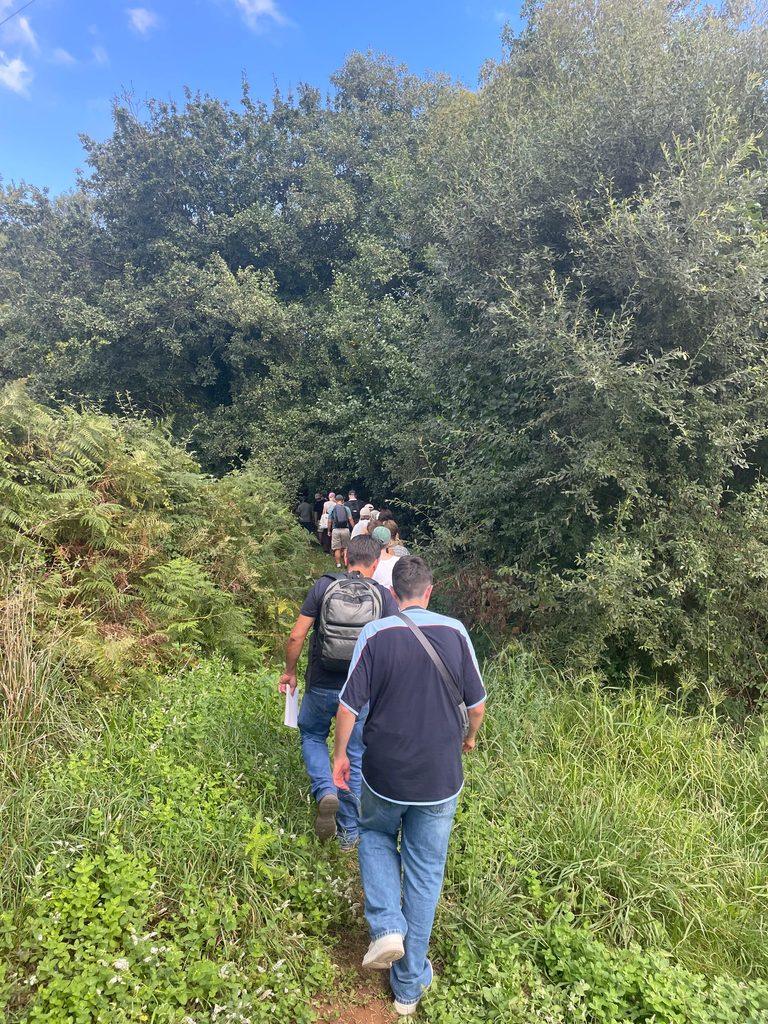
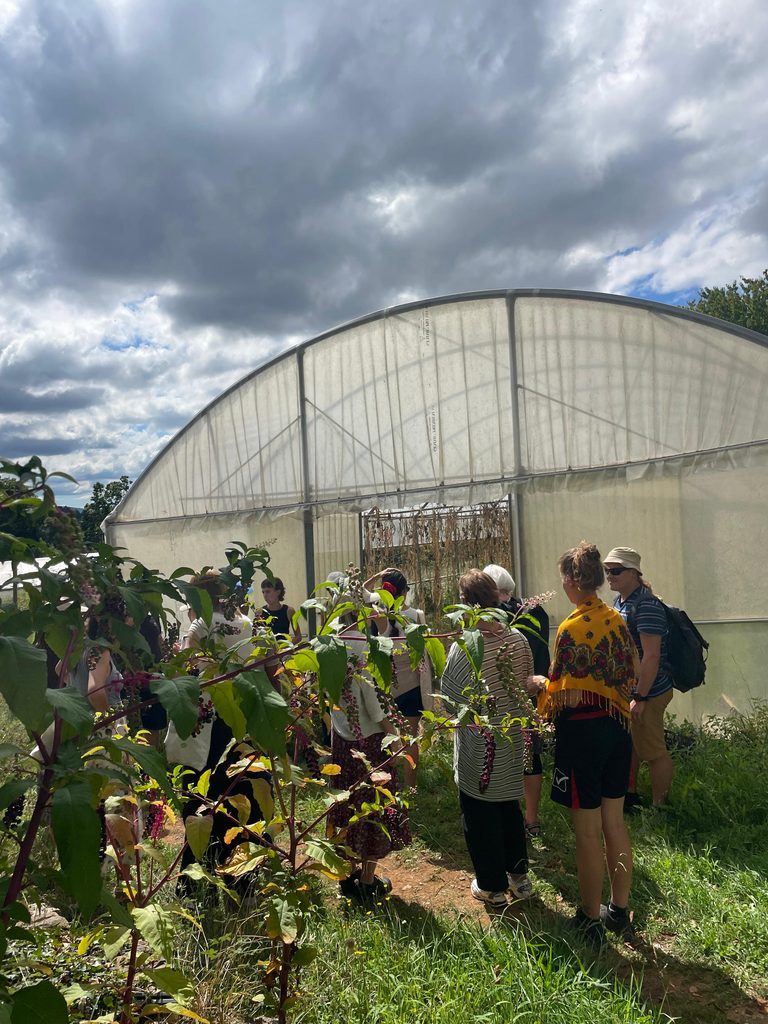
Our visit to Entrelampo also gave us a chance to reflect on the challenges and opportunities social enterprises face. Entrelampo creates jobs for people with severe mental health conditions while producing agricultural goods, meaning that both social impact and financial sustainability are essential. Increasing its online visibility and presence in Santiago de Compostela could help people discover its work and connect with potential employees and supporters. Collaborations with local universities could also raise awareness among students and encourage them to engage with the organisation. Another opportunity for Entrelampo could be to make greater use of its seasonal harvest by turning surplus summer crops into products such as jams, pesto or pickled vegetables. This could help reduce waste, diversify its product range and generate additional income during quieter periods.
Overall, Entrelampo shows how mental health, social inclusion and agroecology can be successfully connected.
This blog post was written as part of the “Agrobiodiversity Summer School” in Galicia (Spain) in September 2026. This summer school is a cooperation project between the ZHAW Institute of Natural Resource Sciences, the Research Institute of Organic Agriculture in Switzerland (FiBL) and the Interuniversity Research Centre for Atlantic Cultural Landscapes (CISPAC) and is supported by the Mercator Foundation Switzerland.
References
Entrelampo. (n.d.). entrelampo. Retrieved September 11, 2026, from https://entrelampo.com/
C. Docampo, personal communication, September 7, 2026
National Statistics Institute (2026). Employment of people with disabilities. 2021–2024 series. Activity and employment rates by type of disability. Retrieved November 5, from https://www.ine.es/dynt3/inebase/index.htm?padre=12096&capsel=12957
Salinas, M.F. & Marhuenda, F. (2020). Acceso al empleo de las personas con discapacidad: situación en el empleo en las personas con enfermedad mental. CIRIEC-España, Revista Jurídica de Economía Social y Cooperativa, nº 36, 273-311. DOI: 10.7203/CIRIEC-JUR.36.16980.
Wichmann, F. (2026). Photographs.
AI Declaration
AI tools were used exclusively for linguistic support, structural refinement, and stylistic editing. The authors independently conducted the interview analysis and developed the content of the blog-post.
DeepL SE. (n.d.). DeepL Translator. https://www.deepl.com/de/translator
Use of DeepL to the following extent: Assistance with drafting and translation into English
OpenAI. (2026). ChatGPT [Large language model]. https://chat.openai.com
Use of ChatGPT to the following extent: linguistic refinement, structural improvement, and language editing