Navigation menu
- Education
- Emissions & Air Quality
- Infrastructure & Services
- Meteorology & Climate
- News
- Physical Chemistry
- Projects
- The Team
A couple of months ago, I had the opportunity to attend the International Aerospace Exhibition (ILA) in Berlin, one of Europe’s leading events for aerospace innovation, policy, and industry exchange. Beyond the impressive aircraft displays and technologies on show, my visit had a clear focus: engaging in discussions around sustainable aviation fuels (SAF) and their role in the future of aviation and as an airplane enthusiast, a walk-through the Airbus A380 of Emirates.
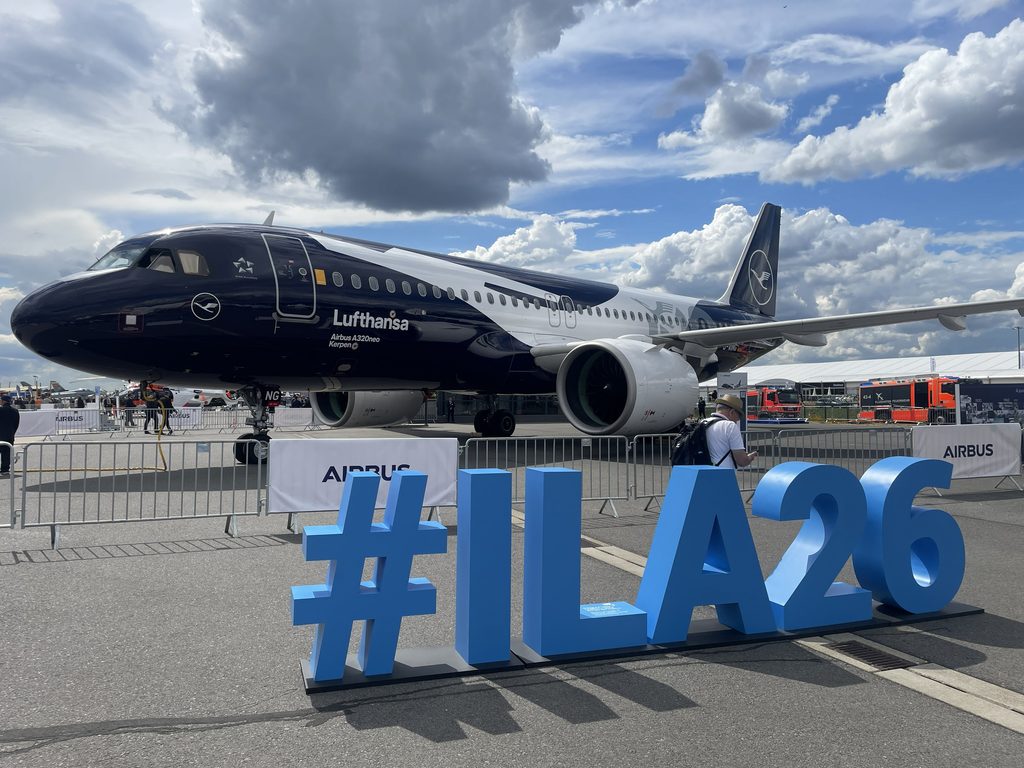
Figure 1: Airbus A320 of Lufthansa (Special Livery for thee 100-year anniversary of Lufthansa)
A Platform for Innovation and Dialogue
ILA Berlin is more than just an airshow; it’s a platform where industry leaders, researchers, policymakers, and innovators come together to shape the future of flight. From electric propulsion systems to digital aviation solutions, the exhibition highlighted how rapidly the sector is evolving.
However, one question stood out to me across panels, networking sessions, and informal conversations alike: how do we decarbonize aviation in a meaningful and scalable way?
The Role of Sustainable Aviation Fuels
Sustainable aviation fuels are widely seen as one of the most promising pathways to reduce aviation’s carbon footprint in the near to medium term. Unlike technological shifts such as hydrogen or fully electric aircraft, which will take more time to scale, SAF can be used within existing aircraft and infrastructure.
I noticed three key challenges that were present in a lot of discussions:
- The production of SAF remains far below what is needed to meet global demand.
- SAF is still significantly more expensive than conventional jet fuel, raising questions about market adoption and policy support.
- Sustainable production of SAF needs to ensure that no unintended environmental impacts or competition with food production start to appear when scaling up.
Despite these challenges, the momentum is clear. Governments and industry stakeholders are increasingly aligning targets, mandates, and incentives to accelerate SAF adoption.
Engaging Conversations
During my visit, I had the chance to exchange ideas with experts from across the aviation ecosystem, from researchers and startups to established industry players. On one hand, there is strong optimism: technological progress, growing investment, and supportive policy frameworks are driving real change. On the other hand, there is a shared understanding that the transition will require coordinated action across the entire value chain of SAF. A particularly interesting takeaway was the importance of collaboration. No single actor, whether airline, fuel producer, or regulator, can solve the challenge alone. Partnerships and cross-sector cooperation are essential to move from pilot projects to large-scale implementation.
Looking Ahead
My visit to ILA Berlin reinforced the idea that aviation is at a turning point. The path toward sustainability is complex, but the commitment across the industry is stronger than ever. Sustainable aviation fuels are not the only solution but are a part of reducing the CO2 emissions of the aviation industry. As research continues and production scales up, SAF has the potential to significantly reduce emissions while enabling the industry to keep connecting people and places around the world. Attending ILA was an inspiring experience, not just for the technologies on display, but for the conversations shaping what comes next.
A personal note
At the end, I finally had the chance to get a look at the A380 and walk through the entire cabine. It was quite impressive.
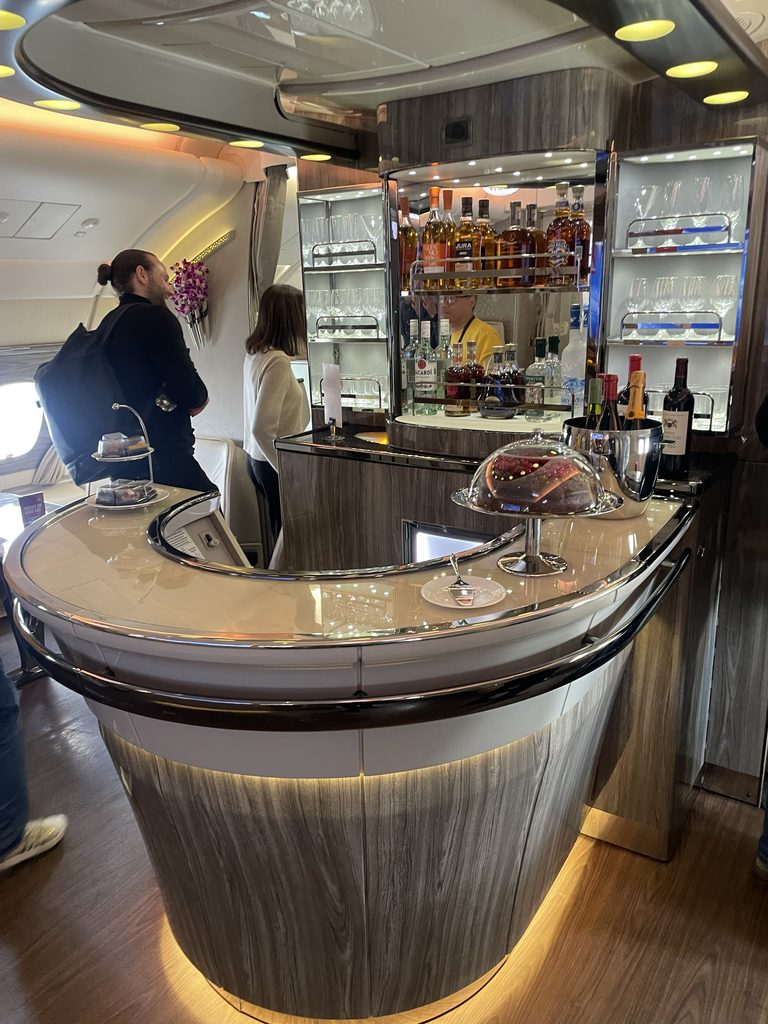
Figure 2: Cocktail bar inside of the A380