Navigation menu
- Education
- Emissions & Air Quality
- Infrastructure & Services
- Meteorology & Climate
- News
- Physical Chemistry
- Projects
- The Team
In research, results are usually shared through papers, posters, or presentations. What often remains unseen is the extensive preparation behind an emissions measurement campaign. For our current project ADVISAR (ADdressing feasibility studies toward cleaner aVIation and environmental impacts research with SAf on unRegulated engines), we conducted emissions measurements with two different fuels at Stans Airport in the canton of Nidwalden.
Transporting our lab from Zurich Airport to Stans
Our emissions measurement system, SMARTEMIS, is normally installed at SR Technics (SRT) at Zurich Airport. Due to its high value and size, transport was outsourced to a professional logistics company. Since the rebuild in Stans was scheduled for Monday morning, transport had to take place the previous Friday. January temperatures were well below freezing, so a heated transport container was used to protect the sensitive equipment.
The art of bringing a lorry onto the airside area
While receiving a lorry delivery is usually straightforward, accessing an active airport’s airside is not. The driver had to be pre-registered, a “follow-me” vehicle was required, and manoeuvring a large truck in the SRT area was challenging. Despite these constraints, the driver positioned the vehicle perfectly, allowing SMARTEMIS to be loaded safely.
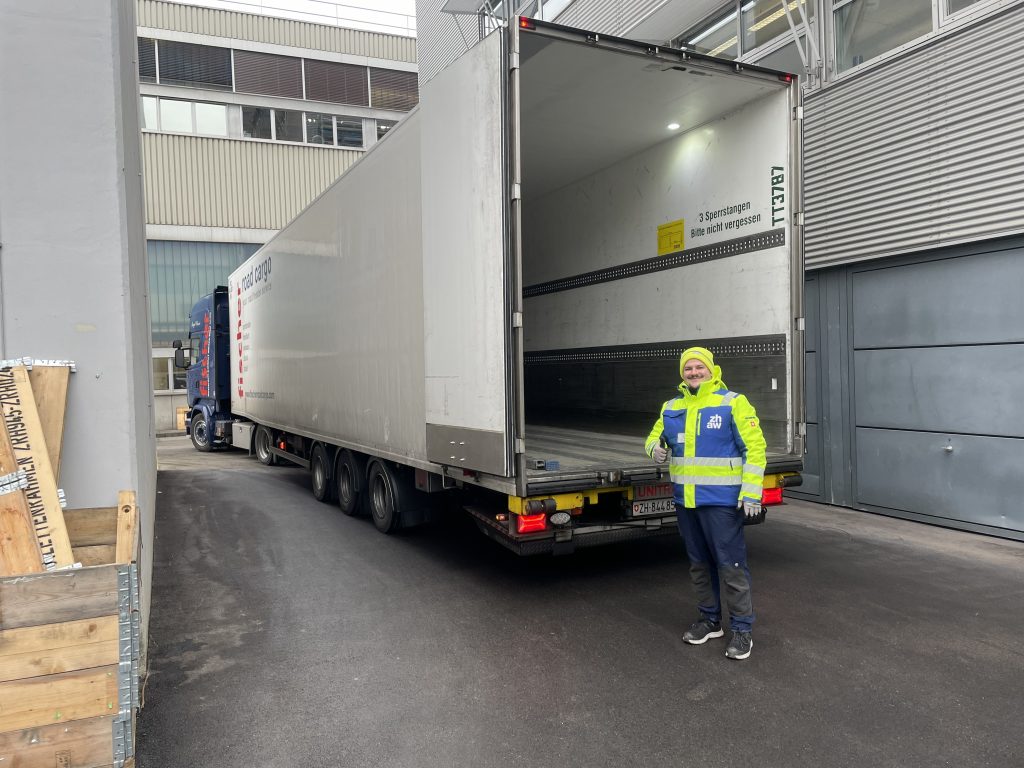
Figure 1: Our coworker Matteo posing in front of the lorry.
Emissions laboratory in the field
Instead of a permanent laboratory, a container was used as a temporary lab at Stans. Safety regulations prevented placing it near the runway, and its weight required heavy-duty load distribution plates to protect the grass field.
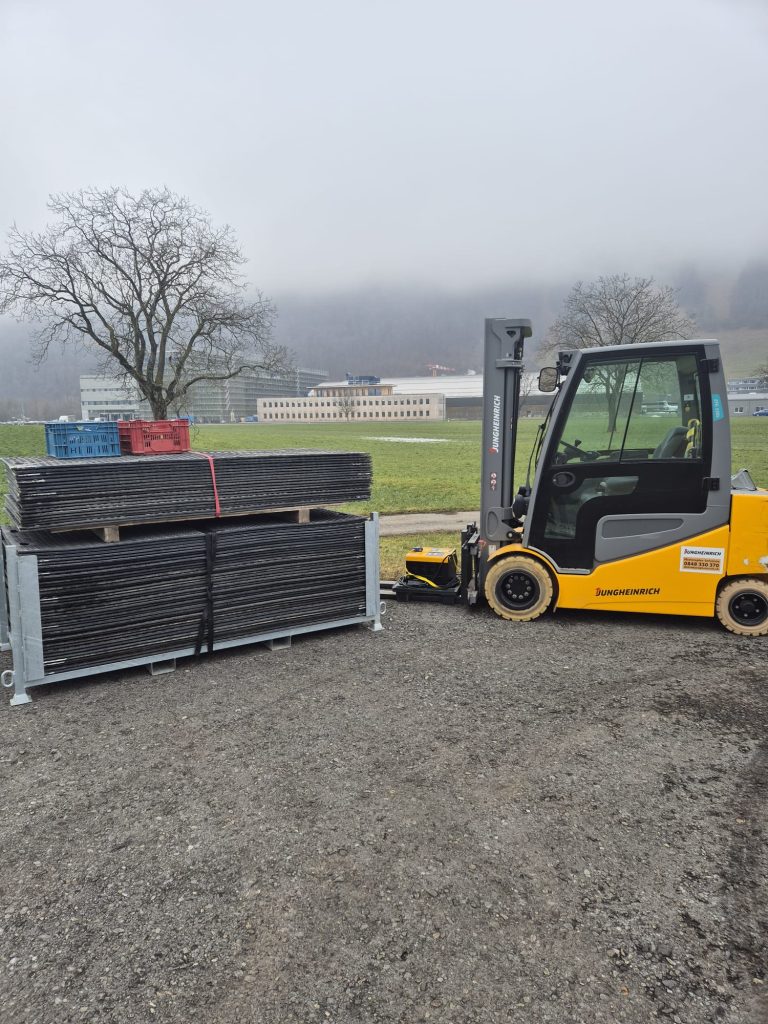
Figure 2: Arrival of plates and forklift (courtesy of T. Schripp).
Unexpected delays
On Monday morning, SMARTEMIS arrived earlier than expected. Unfortunately, the planned access route was blocked by a farmer’s hay-bale trailer. The only alternative required crossing an active taxiway, but no authorised person with a radio was available. As a result, unloading was delayed by nearly two hours until clearance was granted.
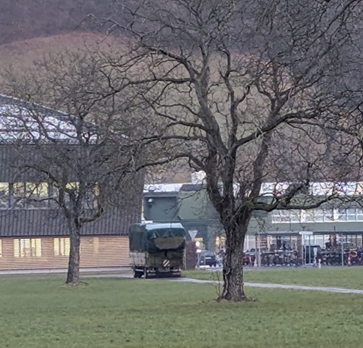
Figure 3: Hay-bale trailer blocking the road to our site (courtesy of T. Schripp).
Container delivery and setup
The container could not be placed directly on the plates, so four large wooden beams were added to distribute the load evenly. Transporting these beams to the airside led to some curious questions from airport security.
The container arrived on time, though initially at the wrong location. After intercepting the driver, we guided him to the setup area, and work could finally begin. With Pilatus’ support, SMARTEMIS was unpacked and prepared for operation on the same day.
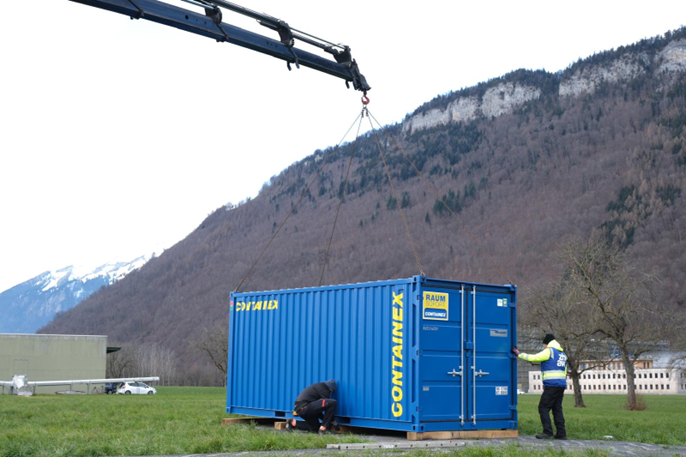
Figure 4: Arrival of the container (courtesy of Y. Liang.)
Moving the Equipment from the Taxiway to the Container
After the container was in place, the work of bringing SMARTEMIS back to life began.
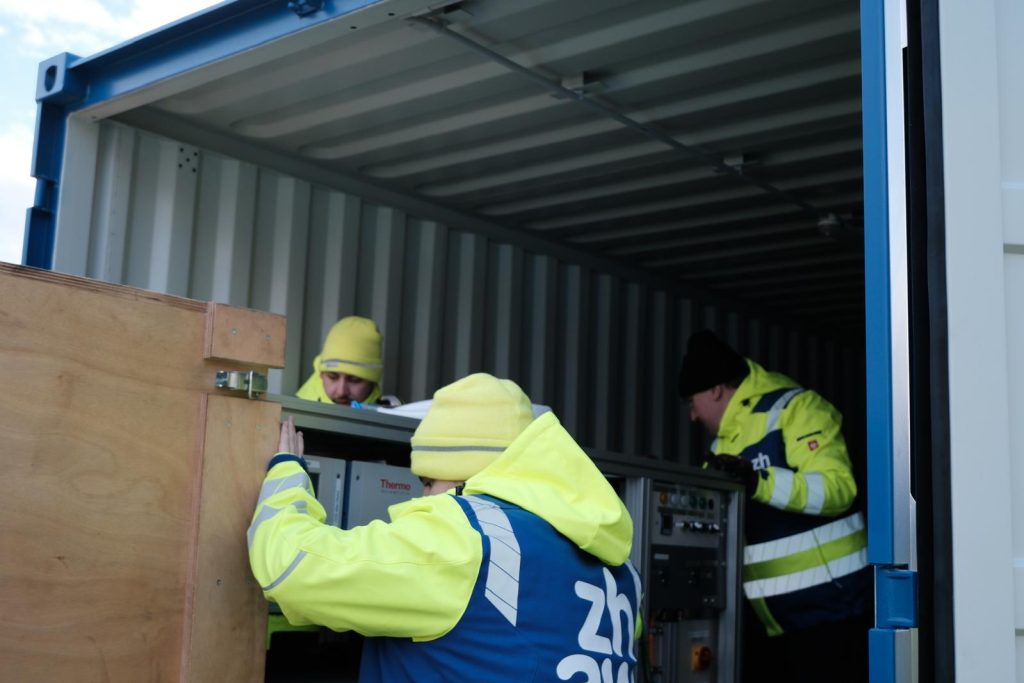
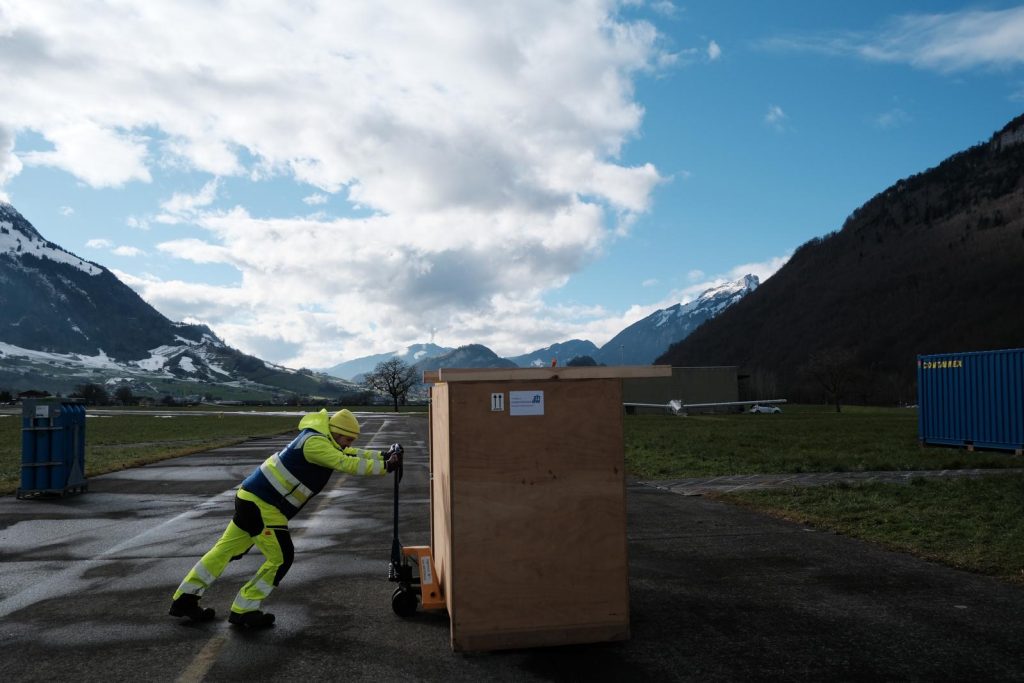
Figure 4 & 5 unpacking and moving SMARTEMIS (courtesy of Y. Liang).
A campaign built on cooperation
An emissions measurement campaign is much like a small expedition: it requires careful planning, logistics, improvisation, and close collaboration. Thanks to the commitment of our team and the strong support of SR Technics, Pilatus, Segelfluggruppe Nidwalden, Paul Scherrer Institute, and airport services, this complex campaign became possible.
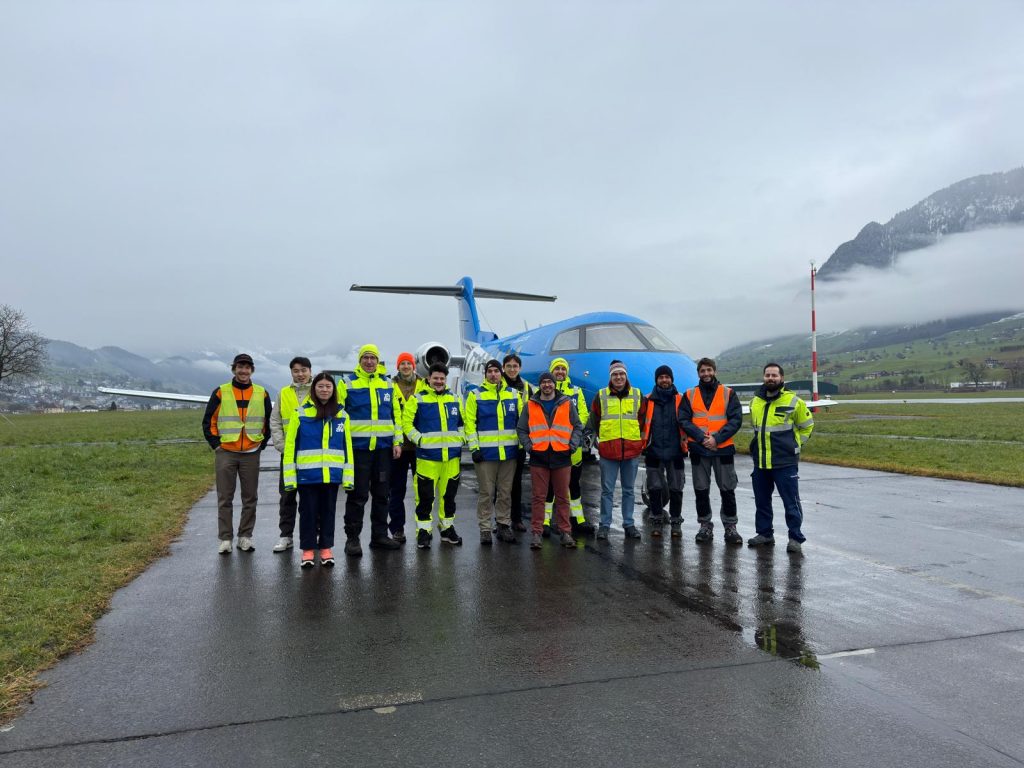
Figure 6: Group image of the ADVISAR campaign 2026 (courtesy of C. Ehlers).
Behind every dataset lies a story like this, and we are delighted to share a glimpse of it with you.
It is always a shame after a couple of days to remove everything again, just as routines have settled in and the setup is running smoothly. Still, this marks the conclusion of the field phase and the starting point for the detailed analysis of the collected data.