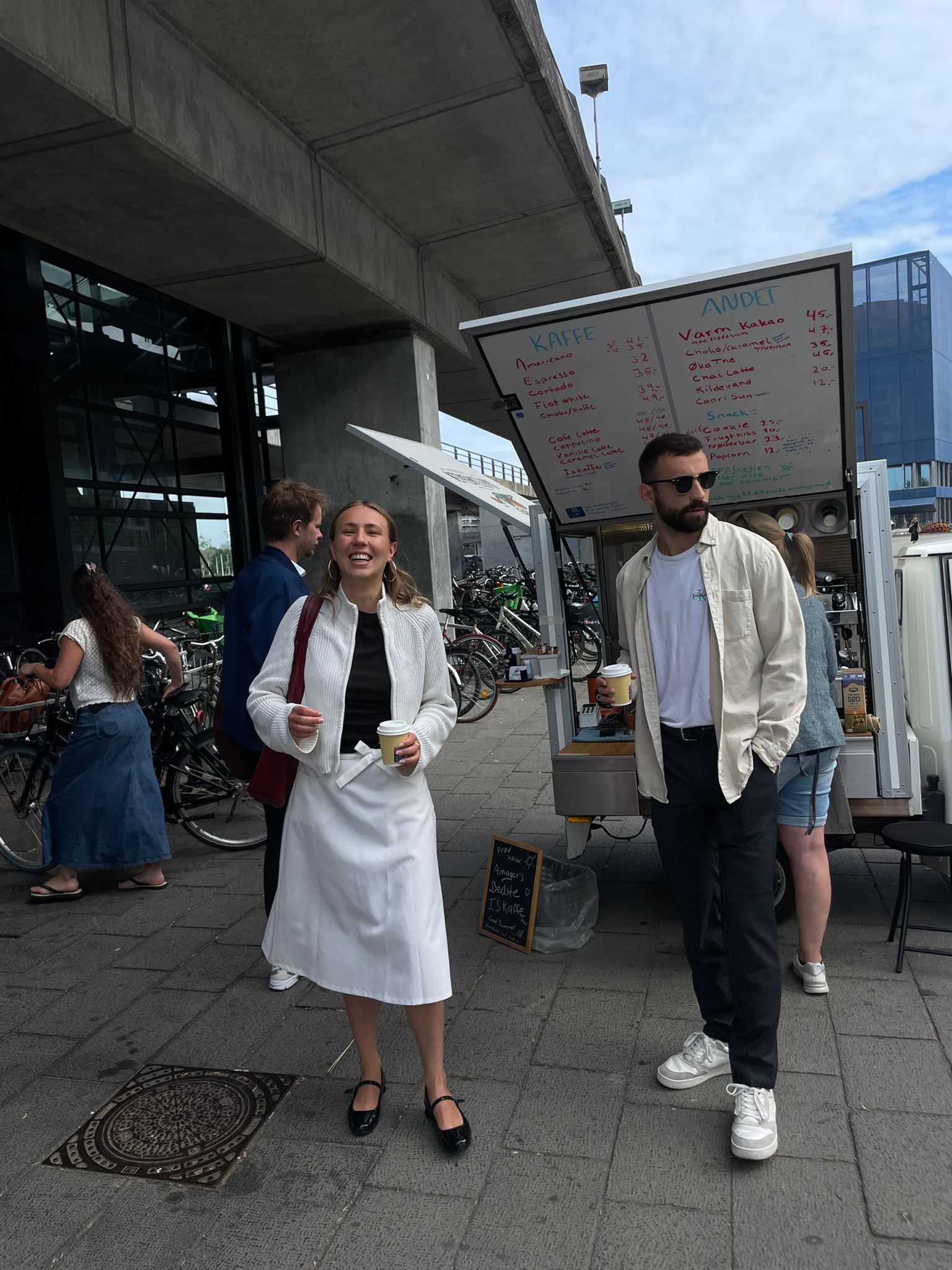
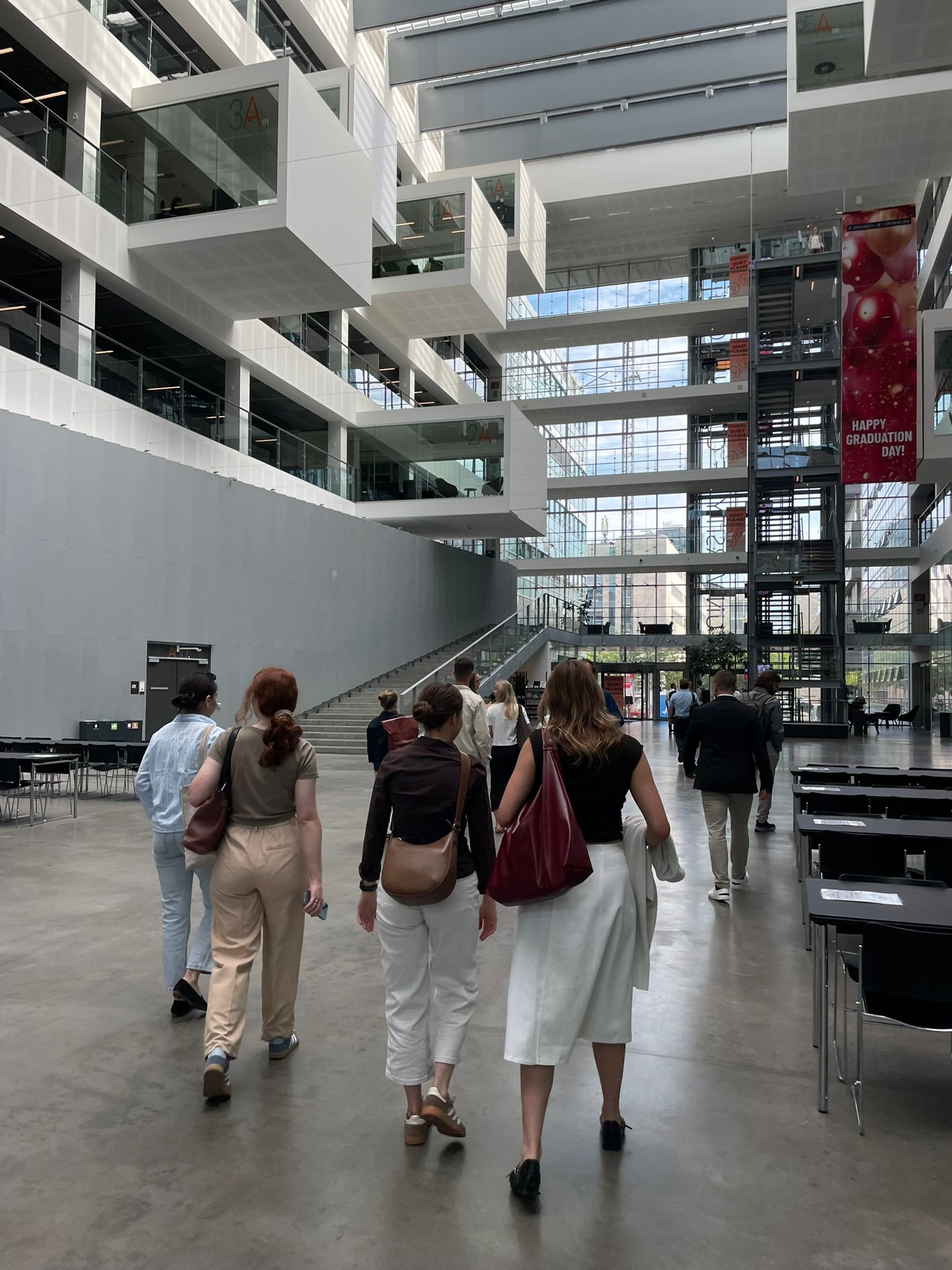
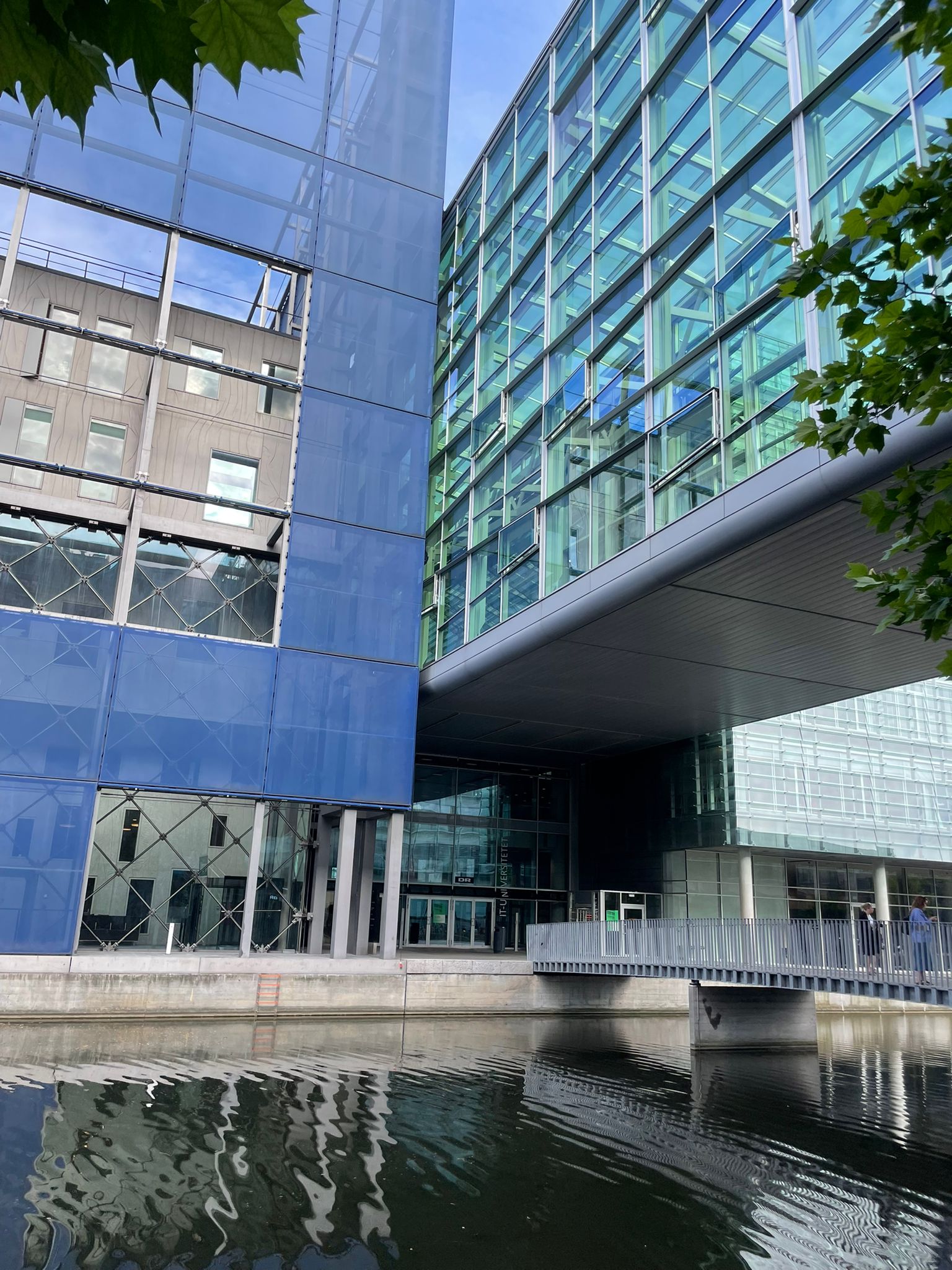
Our third day in Copenhagen started with a metro ride to the IT University of Copenhagen. After grabbing a quick coffee, we spent the morning at the Research Centre for Government IT, where we explored the opportunities and challenges of digital government.
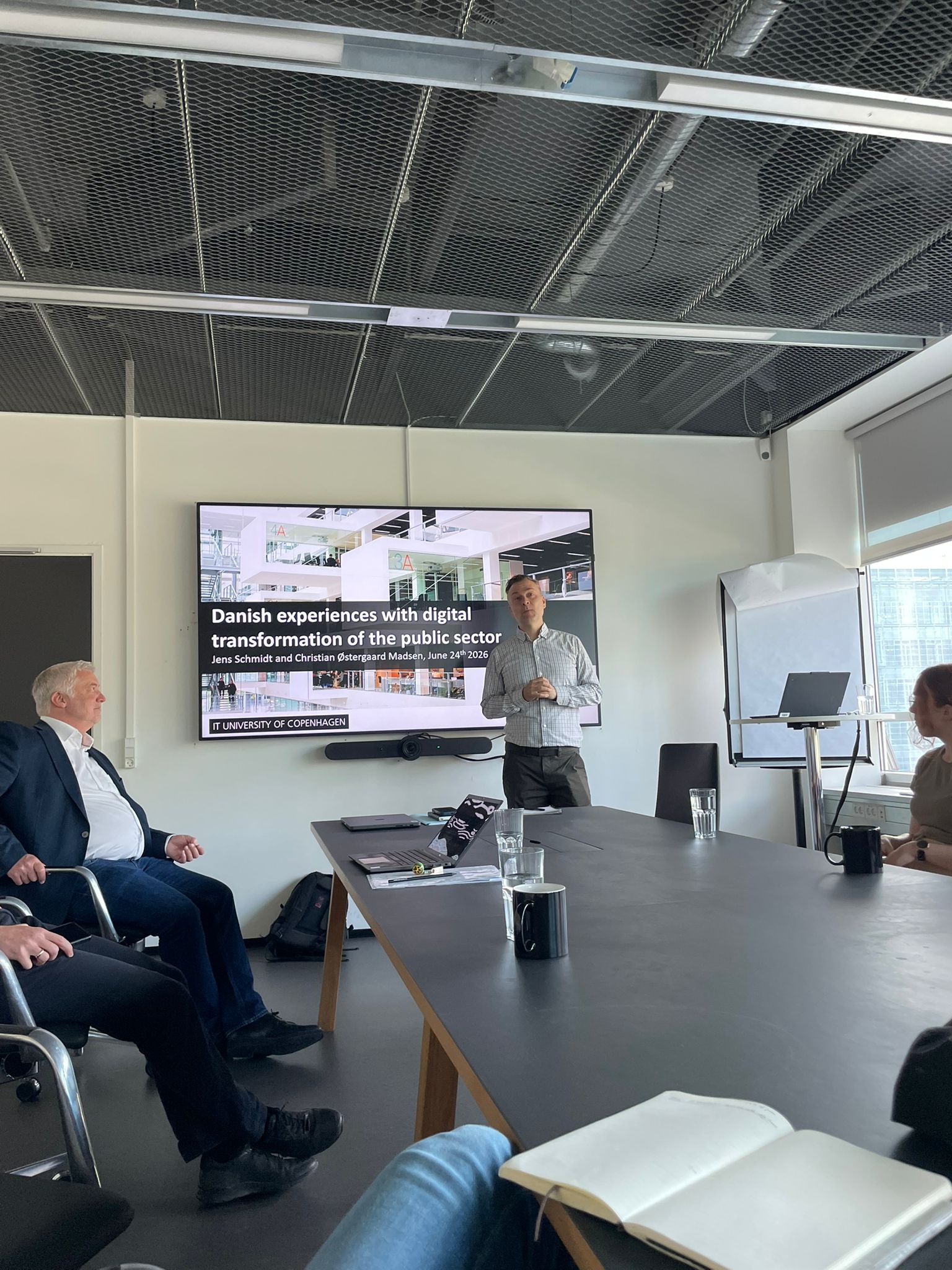
One question followed us throughout the presentations: Can Denmark’s digital success simply be copied by other countries? The answer was more nuanced than expected. Denmark’s digital transformation is deeply rooted in its own history, institutions and high level of public trust. A good example is the national identification number, which has been in use since the 1960s and forms the backbone of many digital public services today.
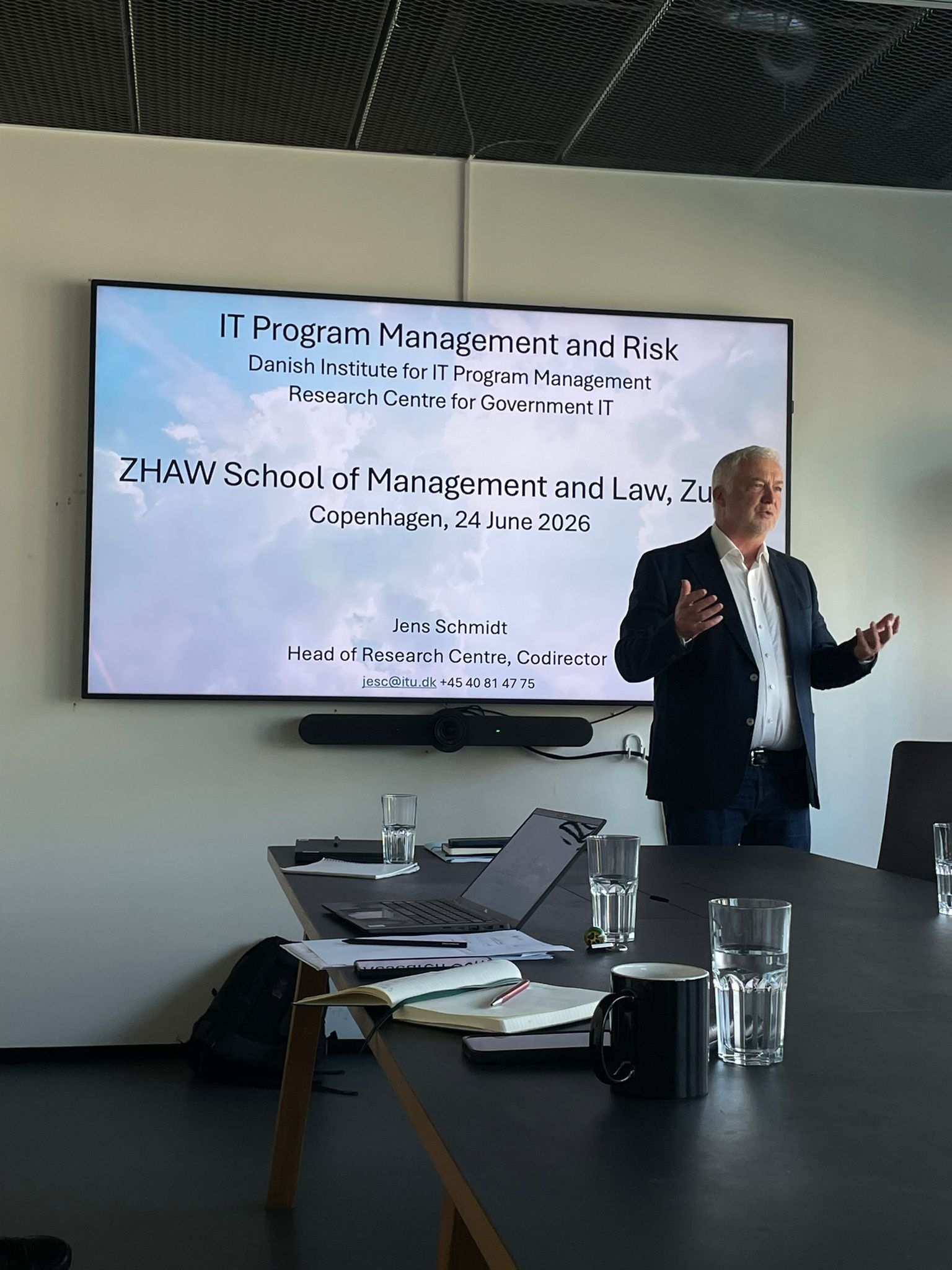
Shared systems, harmonised processes and mandatory digital communication have made public administration more efficient, but they also increase the complexity of IT projects. One statistic stuck with us: one in five government IT projects ends up costing five times more than originally planned. The takeaway was clear successful digitalisation starts with good planning.
After a morning full of new ideas, we grabbed some takeaway lunch and headed to Copenhagen’s canals. Some of us enjoyed a quick swim, others squeezed in a power nap or caught up on work. It was a perfect reminder that study trips are about much more than lectures.
In the afternoon, we visited the Copenhagen City Administration to learn about the city’s climate strategy. Our speaker, Josephine, shared Copenhagen’s vision with great enthusiasm and showed how sustainability is integrated into almost every aspect of urban development.
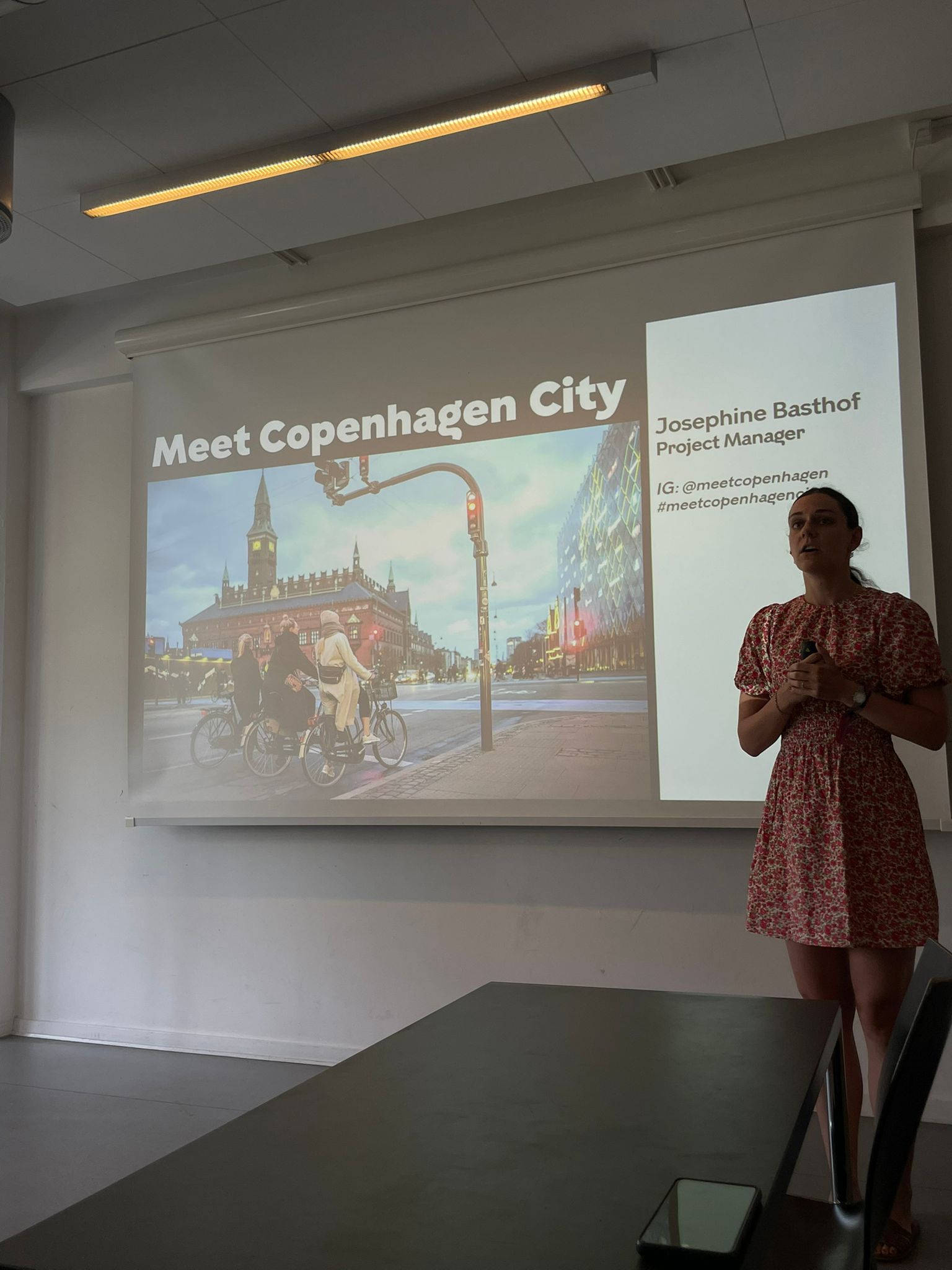
Cycling naturally played a central role. Copenhagen already has one of the world’s best bicycle networks and continues to expand it, ranking second only to Amsterdam. We learned that every kilometre cycled saves Danish society around €1.08, and people who cycle to work have, on average, five fewer sick days each year.
The city is equally ambitious when it comes to energy and climate. Nearly all buildings are connected to district heating, and Copenhagen aims to become climate positive by 2035. At the same time, we learned that reducing CO₂ emissions in the building sector remains a major challenge, as much of it is privately owned and therefore harder for the city to regulate directly. We also learned about innovative climate adaptation projects, including green courtyards and public spaces that store rainwater during heavy rainfall while creating attractive places for residents.
One interesting project is Lynetteholm, an artificial island planned just outside Copenhagen’s harbour entrance. While it is intended to create space for future housing and help protect Copenhagen against rising sea levels, it is also heavily criticised. Concerns include the destruction of marine ecosystems and the uncertainty around what kind of landfill materials will be used.
Another interesting insight was how the city is reclaiming its waterfront. After selling large parts of the harbour to private companies in the 1970s due to financial constraints, Copenhagen is gradually giving these areas back to its citizens by creating public bathing areas, wooden boardwalks and vibrant public spaces.
The day ended on a sporty note. We joined the Danish Swiss Club to watch the World Cup match between Switzerland and Canada. Our study group had organised a betting game not only predicting the final score, but also the number of yellow cards and penalties. In the end, we celebrated the result together and found out who earned the title of Copenhagen’s football oracle!
Tomorrow, we will visit the Klimabevægelsen. We are curious to learn more about their perspective, especially regarding projects like Lynetteholm, and to better understand the ongoing debates around climate policy in Denmark.
Stay tuned for tomorrow, when we will announce who won the betting game!🍀