Thursday kicked off with an early departure from Shenzhen as we headed to WeRide in Guangzhou, our first stop of the day and easily one of the most impressive company visits of the trip.
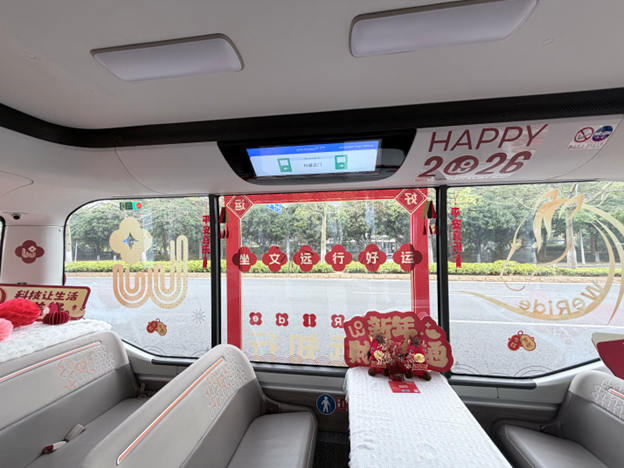
We were welcomed at WeRide’s offices with a strong first impression: a warm reception and two of their autonomous vehicles waiting for us outside. One was an L4 robobus, fully decorated for Chinese New Year, designed for fixed routes and public transport use cases. The other was a sleek black robotaxi, built for on-demand, point-to-point mobility in urban environments. Different use cases, same core tech.
Without much delay, we got straight into action. We boarded the L4 autonomous robobus and took a ride through the streets of Guangzhou. During the drive, the team explained WeRide’s core business, their technology stack, and the key difference between Level 2 and Level 4 autonomous driving. While L2 systems still require constant human supervision, L4 vehicles like the robobus we were riding can operate fully autonomously within defined areas. Experiencing this live, in real traffic, made the theory click instantly.
After everyone had the chance to ride either the robobus or the robotaxi, we moved upstairs to their offices for a company presentation. We learned that WeRide has been operating in China for over six years, with a strong focus on Beijing and Guangzhou, where autonomous robotaxis can already be ordered and robobuses are actively in use. Internationally, their strategy is clearly scaling: Europe and the MENA region are key priorities. In the Middle East, WeRide’s robotaxis are already deployed in Abu Dhabi and Dubai, with further expansion underway. In Singapore, their robotaxi services are set to be integrated with Grab, and in Europe, they are working closely with Renault to expand into markets such as France and Spain.
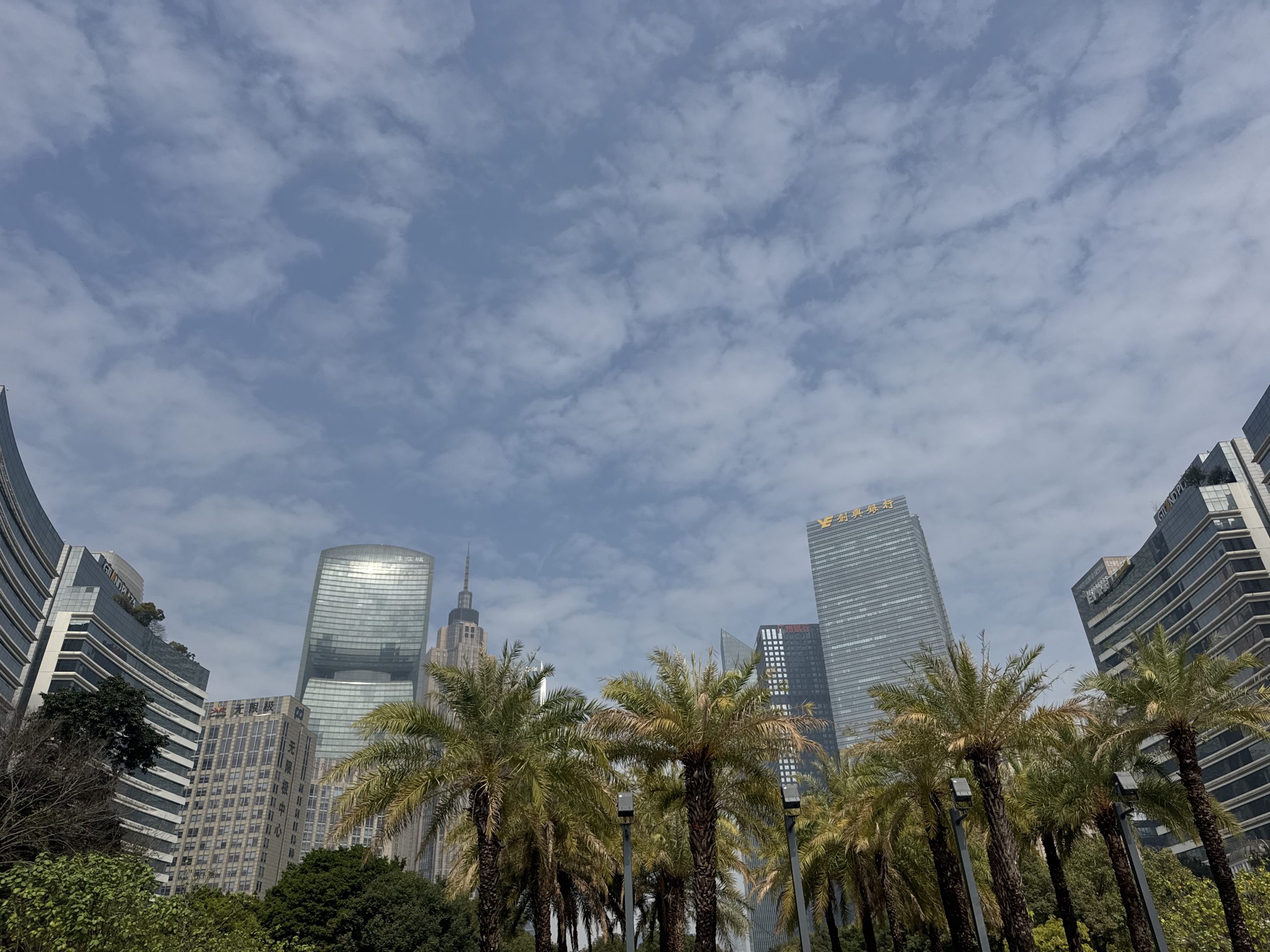
After wrapping up our visit at WeRide with a presentation, we made our way into the heart of the city, shifting from cutting-edge autonomous mobility to a broader look at Guangzhou’s urban and cultural landscape. This marked the transition from a tech-focused morning to a more exploratory afternoon, setting the stage for the next part of the day. We spent the day exploring Guangzhou’s CBD, where we were introduced to some of the city’s most iconic and impressive buildings.
Afterwards, we had lunch at Happy Monk, which, funnily enough, serves Swiss food including fondue and is owned by a Swiss national. It was an unexpected but very comforting surprise.
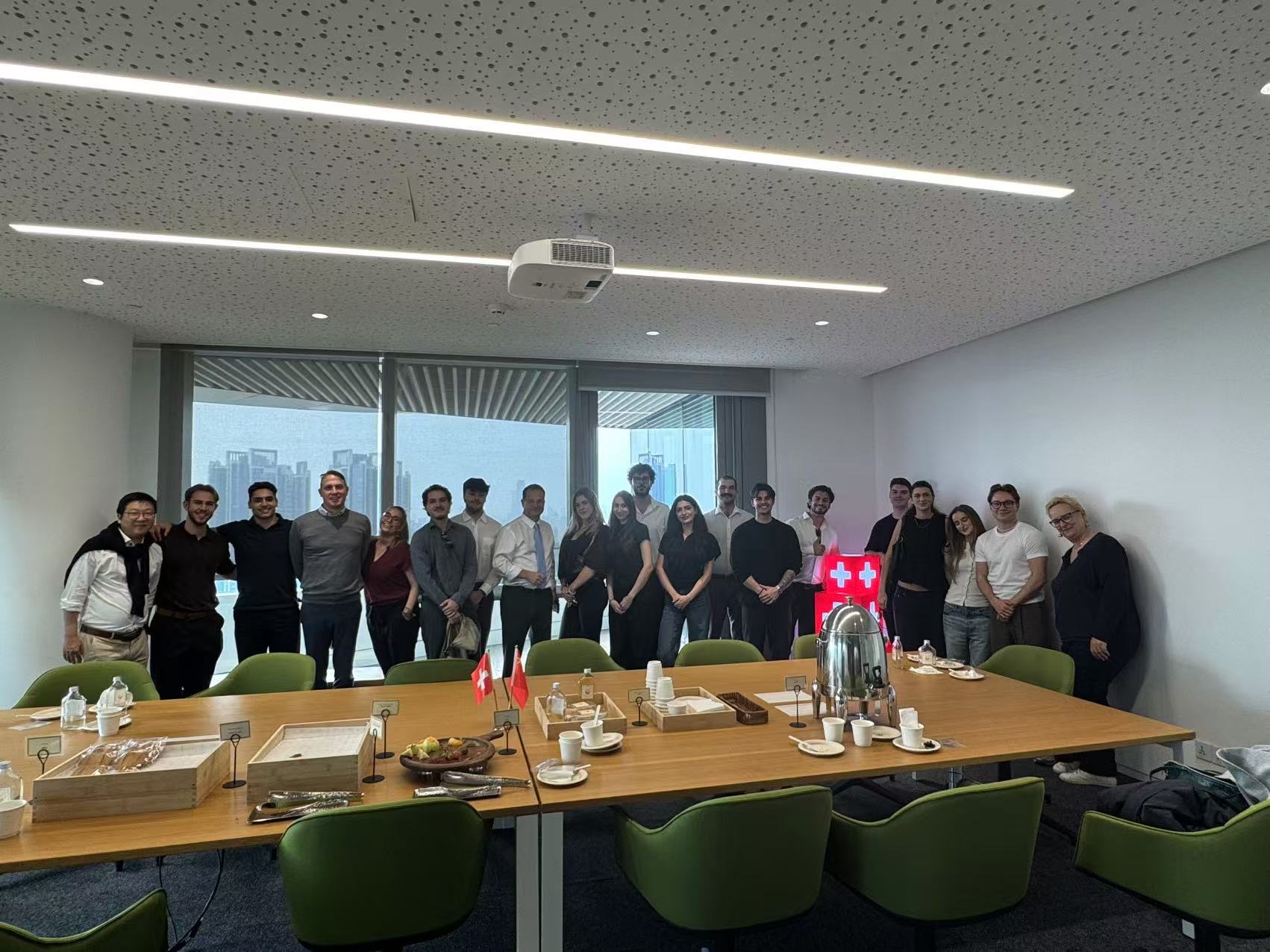
In the afternoon, we visited the Swiss Consulate and had the pleasure of meeting Markus Thür. Once again, we experienced the warmth of Chinese hospitality, as we were welcomed with coffee and sweets. Seeing this small piece of home so far away, right in the heart of China, felt truly special and meaningful.
We ended the day with a visit to the Nanyue Kingdom Palace Museum, where we gained a concise but fascinating insight into southern China during the Han Dynasty. The exhibition focused on the Kingdom of Nanyue and its ruler Zhao Mo, whose tomb illustrates how strongly Han political systems, burial customs, and cultural values had already shaped the region.
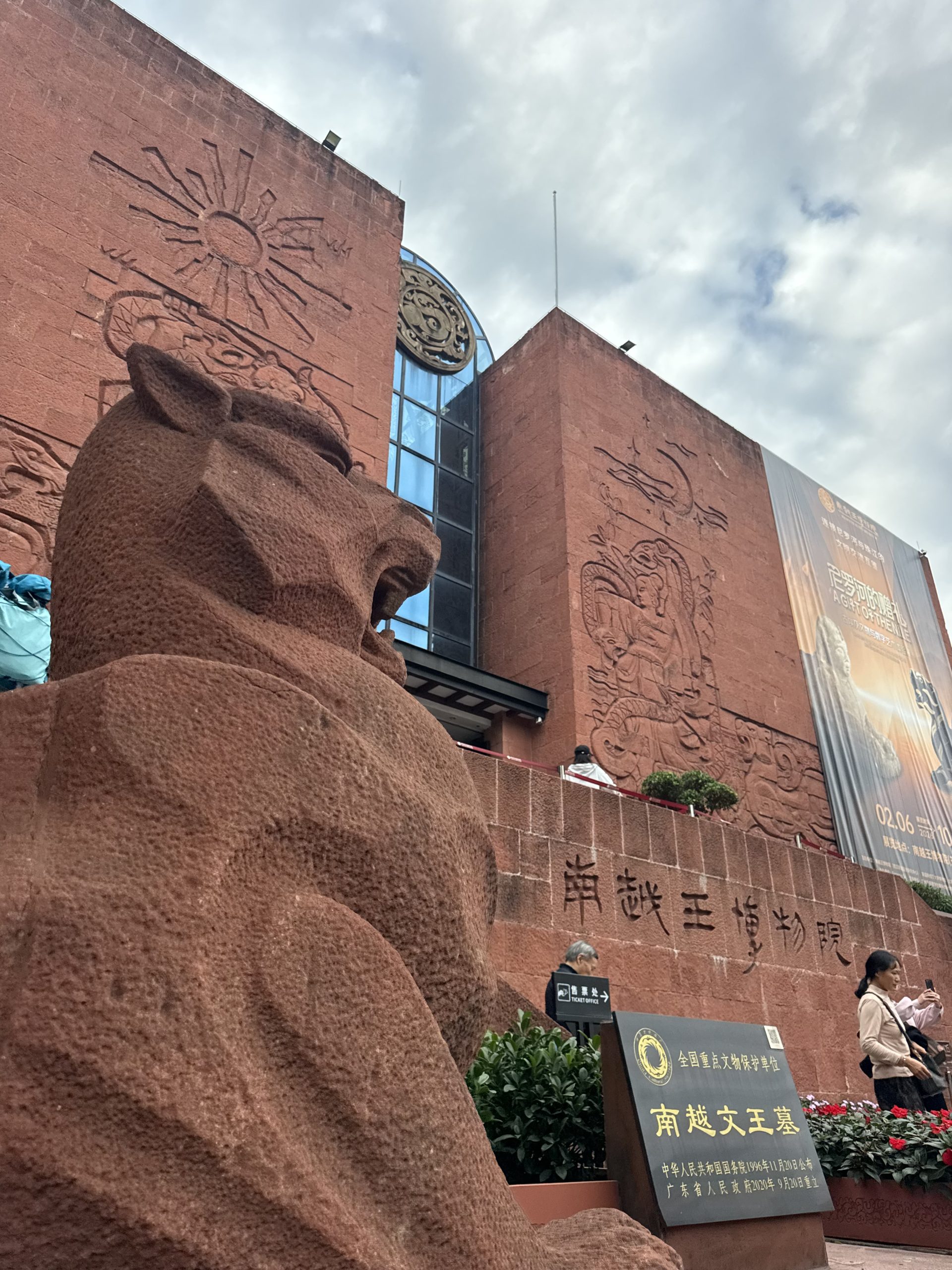
Highlights included the famous jade burial suit and royal seals, symbolizing authority, status, and the deep integration of Han traditions in what is now Guangdong. After the museum, we boarded the bus back to Shenzhen, using the long ride to unwind, take in the views, and reflect on a packed and intellectually dense day.